
Best Restaurant POS Software in Nepal: What to Compare in 2026
Restronp Team · · Estimated reading time: 14 min read
How to evaluate restaurant POS software in Nepal for cafes, bars, and food outlets—mobile POS, fast billing at the cashier, kitchen order tickets (KOT), table creation and transfers, home delivery handoff, inventory ties, reporting, FonePay-ready flows, and cloud access.
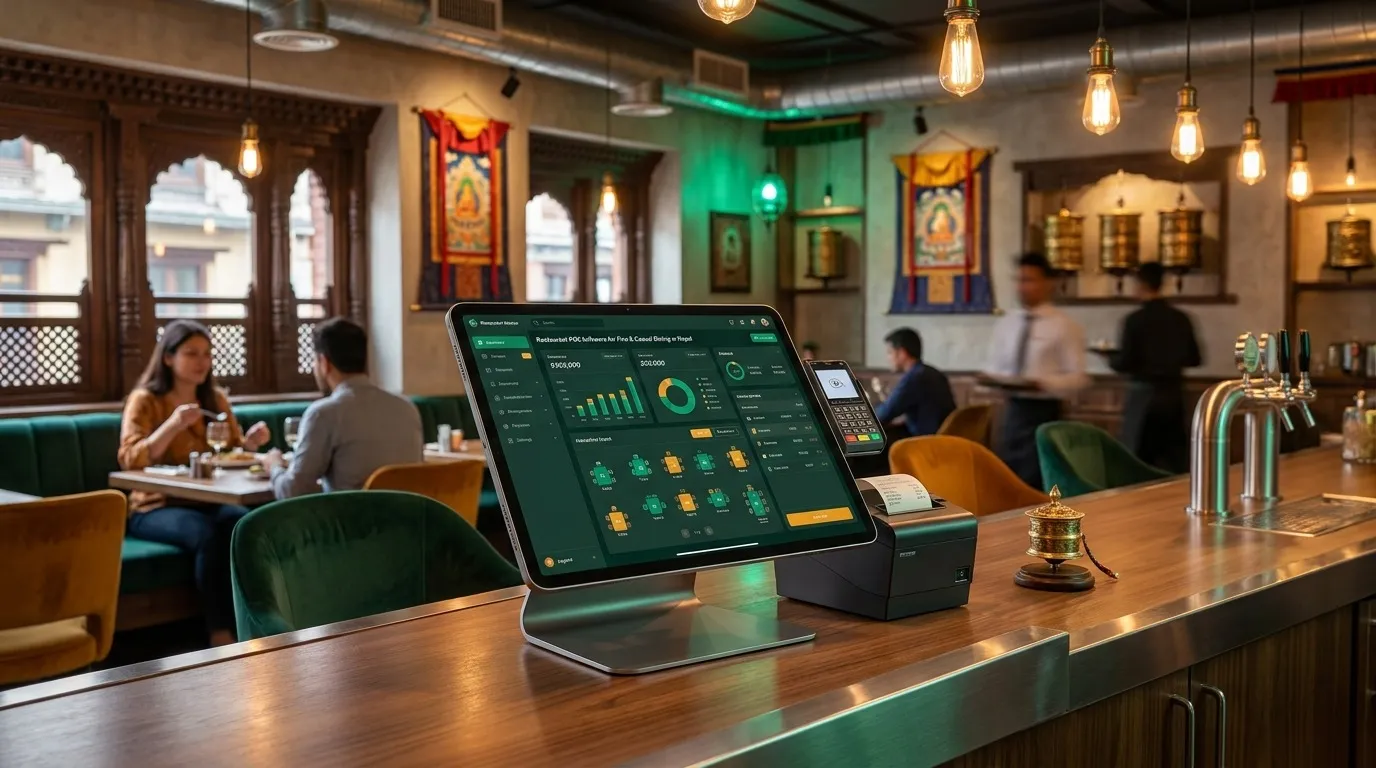
Why restaurant POS software matters in Nepal
Owners searching for the best restaurant POS software in Nepal usually want the same outcomes: faster service, fewer order mistakes, VAT-clear receipts, and staff who can train quickly. Whether you operate a cafe in Patan, a busy dine-in in Kathmandu, or a cloud kitchen serving food outlets nationwide, your stack should simplify order management, tighten KOT management, and feed reporting you can trust after midnight.
Many outlets still rely on handwritten tickets, spreadsheets, or generic billing apps. Those tools can work at a very small scale, but they break down when you add mobile POS terminals, takeaway and dine-in mix, VAT expectations, or more than one branch. Modern restaurant POS software for Nepal is built for that complexity—without turning service into an IT project.
Mobile POS, cloud access, and real-time updates
Mobile POS lets servers and cashiers take payments at the table or curb without walking back to a fixed till—critical during festivals and peak tourism weeks. Pair it with cloud-based restaurant management so menus, prices, and users stay in sync across devices; owners often want “anywhere” visibility into sales without VPN drama.
Real-time updates across the dining room and kitchen reduce duplicate orders and help managers spot slow tables before guests complain.
What “good” looks like on the floor
A system your team actually uses every day should feel invisible during service. In practice that usually includes:
- Fast order entry with modifiers, combos, and kitchen notes so the pass stays calm during peak hours.
- Kitchen coordination—print or display KOT (and bar BOT where you serve drinks) by section so runners and chefs see the right ticket at the right time.
- Table and floor awareness for dine-in, plus smooth handoff between wait staff and billing.
- Transparent totals with discounts, service charges, and tax lines shown clearly to guests—especially important when expectations around VAT-compliant receipts are rising.
- Shift-safe controls: permissions for managers, cashiers, and waiters so refunds and voids do not rely on one overstretched supervisor.
- Table creation and transfers that stay logged—merged banquet setups, splits, and runner handoffs—so bills follow the seat, not the spreadsheet.
- Home delivery coordination where cashier totals, rider instructions, and kitchen order tracking reference one ticket from acceptance to handoff.
Faster billing at the counter—without shortcuts on accuracy
Day-to-day pressure on Nepali restaurant owners often shows up as queues at peak lunch: guests waiting while someone retypes modifiers or hunts for yesterday’s happy-hour price. A disciplined restaurant POS keeps order entry tight, receipts VAT-transparent, and settlement fast—whether you run a compact cafe counter or a busy bar rail where BOT drinks must align with food fires.
Teams evaluating an integrated restaurant management system usually care less about splashy demos than about sustained rhythm: fewer mis-keyed totals, clearer splits between cashiers and runners, and reporting that still matches the drawer after midnight.
Table & space management, reservations, and multi-branch clarity
High-turn dining rooms need disciplined table management: which seats are live, which tables are merged, and how long turns actually take. Light reservation management keeps the door honest when tours, weddings, or corporate groups stack into the same hour. If you operate more than one outlet, multi-branch restaurant software should keep menus and live sales reports comparable without exporting five spreadsheets.
At the pass, teams often combine printed tickets with a kitchen display (KDS) rhythm so chefs and expeditors see ticket age—especially when bar BOT drinks must align with food courses.
Digital menu, QR menu ordering, and mobile app integration
Guests increasingly expect a digital menu—priced in NPR, easy to skim, and aligned with what the cashier rings. When QR menu ordering feeds the same menu master as your POS, you avoid the classic failure mode: QR shows an old price while the till charges another.
Mobile app integration (staff handhelds or branded guest apps where you use them) should reuse the same item catalogue, modifiers, and tax rules so training stays short and audits stay sane.
Payments and everyday reality on the ground
Nepali guests commonly pay with cash, cards, bank transfers, and mobile wallets such as eSewa, Khalti, FonePay, or bank apps. Teams evaluating FonePay merchant-style QR collections still need those settlements mapped cleanly to tickets for daily reconciliation.
Your POS should record payment mode, split bills fairly, and surface end-of-day totals that match drawers and wallets—whether you operate a cafe in Jhamsikhel, a family restaurant in Biratnagar, or delivery-heavy food outlets.
The goal is not flashy hardware for its own sake; it is fewer disputes, faster checkout, and summaries that reflect what actually moved.
Reporting, analytics, and smarter decisions
Beyond printing bills, operators want advanced reporting and live sales dashboards: category mix, hour-by-hour sales, void patterns, and payment-channel splits. Strong restaurant analytics turns gut feel into adjustments you can defend—whether you tweak staffing on Tuesdays or retire a promo that silently kills margin.
Restaurant accounting software expectations in Nepal
Many owners ask whether POS should replace spreadsheets for finance basics. Platforms vary, but teams often look for restaurant accounting software hooks inside POS: purchase recording, expense tracking, and readable books.
Concepts buyers mention include double-entry ledger discipline (so every sale and purchase posts cleanly), Day Book visibility for daily movement, Cash Book and Bank Book clarity for NPR cash and transfers, Profit & Loss snapshots, COGS-style views tied to recipes where available, and vendor due balances so supplier payables stay honest—especially when credit purchases are normal.
You may still rely on your CA for filings; the aim is fewer midnight reconciliations between POS exports and manual ledgers.
Teams also look for light expense management inside the same stack—petty cash, repairs, supplies—so daily profit stories stay honest alongside sales.
Bulk SMS, training, customization, and support
Bulk SMS remains practical for confirmations, loyalty drops, or shift reminders—ideally triggered from the same guest data your billing touchpoints already capture. Ask vendors about training and support hours in Nepal time, onboarding depth for Nepali-speaking crews, and how much customization your menu complexity truly needs without slowing releases.
Inventory and waste—without drowning in spreadsheets
If you serve food at volume, stock variance quietly eats margin. Connecting sales to recipes and basic stock movements—even at a lightweight level—helps you spot theft, over-portioning, or supplier drift before it compounds. You do not need enterprise complexity on day one; you need consistent habits backed by software that fits how Nepali kitchens actually run.
Choosing POS software that fits Nepal—not only “global defaults”
International brands often assume different tax formats, tipping norms, or delivery ecosystems. Software shaped for restaurants in Nepal should align with local billing clarity, Nepali rupee handling, and the way teams are structured in local outlets (owner-led, multi-role staff, seasonal peaks during festivals and tourism).
Ask vendors plain questions: How will training work for your Nepali-speaking floor team? Can you operate when internet is flaky? Who supports you on Nepal time when Saturday night service breaks something?
Where Restronp fits
Restronp is built as integrated restaurant management software for Nepal: menus, orders, tables, staff workflows, payments, inventory tracking, POS and KOT management, QR experiences, and reporting—so cafes, restaurants, and food outlets spend less time reconciling tools and more time serving guests.
If you are comparing options for restaurant POS software in Nepal, start with a demo grounded in your menu, peak hours, and payment mix—not a slide deck. We walk through dine-in, delivery, billing software outputs, and operational reports in one coherent flow.
Related guides
Dive deeper into restaurant inventory management, QR code ordering, customer loyalty programs, and centralized ordering hubs—each written for Nepali operators pairing POS with billing and kitchen workflows.
Next steps
Explore features, review pricing, or contact Restronp to book a conversation. Getting POS right is less about chasing every feature—it is about choosing a system your team will run confidently, night after night, in Nepal’s real restaurant environment.
More blogs
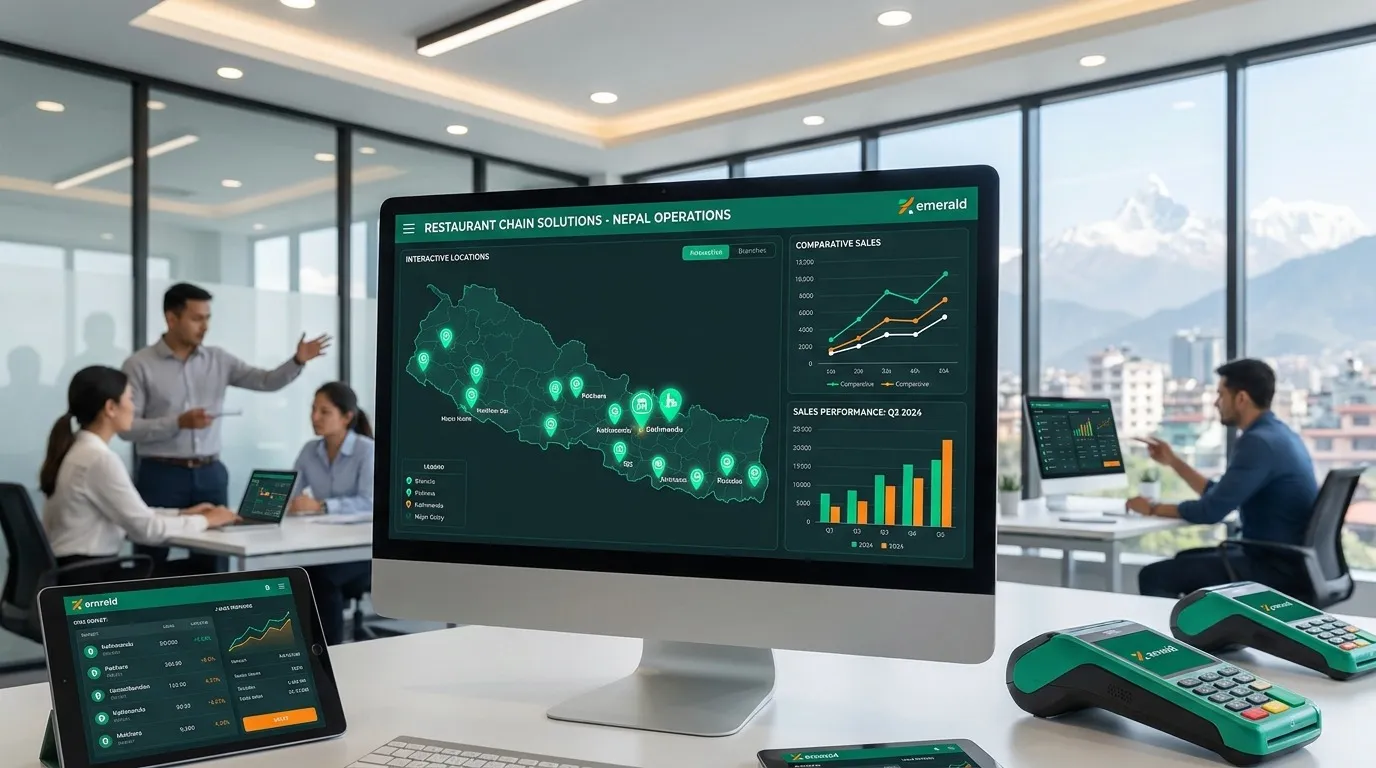
Multi-Outlet Chain POS in Nepal: Central Menus, Roles & Branch Reports
Restronp guide: multi-outlet Nepal—multi-branch restaurant software Nepal free positioning, restaurant analytics dashboard Nepal, staff role management Nepal, menu management Nepal restaurant governance.
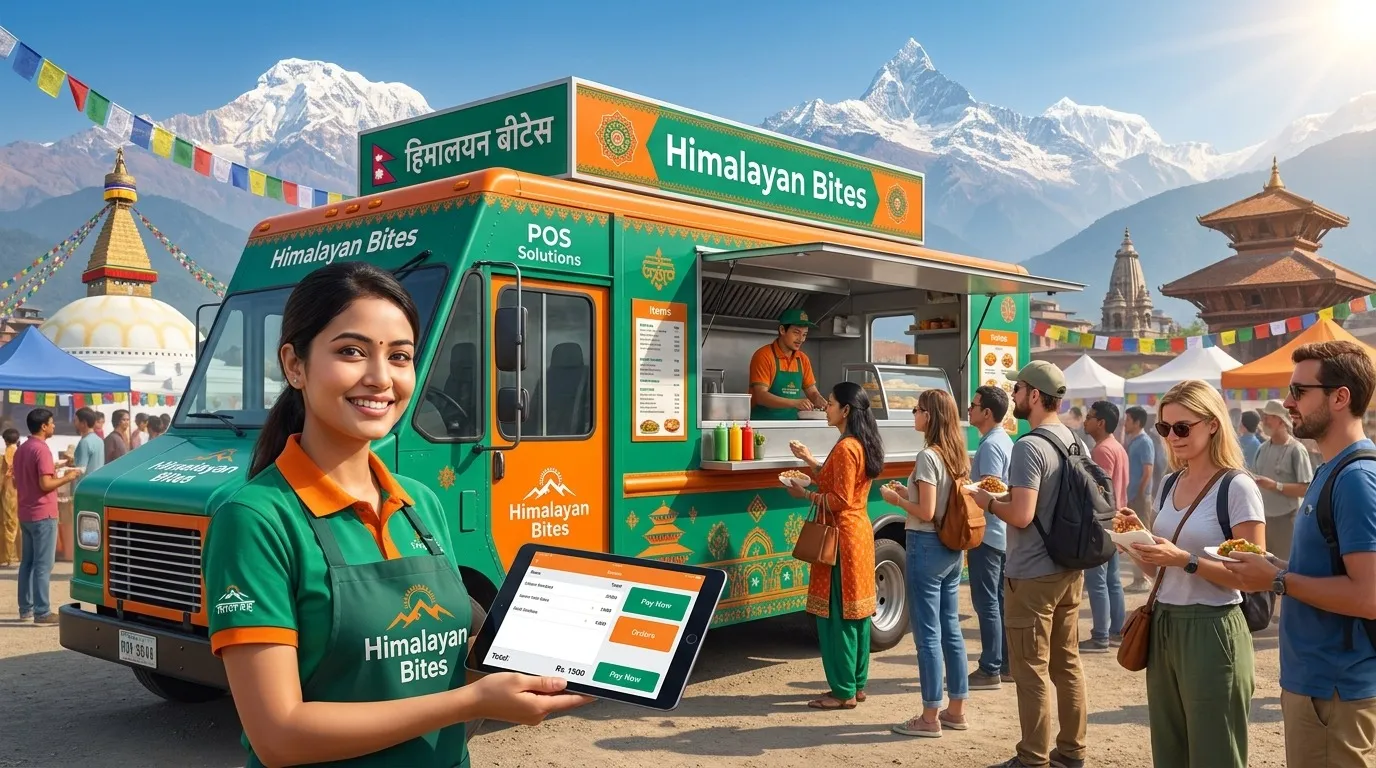
Food Truck POS in Nepal: Mobile Billing, Compact Layouts & Cashless Mix
Restronp guide: food truck Nepal—Android iOS restaurant app Nepal friendly web POS, free cloud POS Nepal, digital wallet POS Nepal, fast billing restaurant Nepal, mobile kitchen order ticket tracking Nepal.
Affordable Restaurant POS Software in Nepal: Streamline Your Operations
Discover cost-effective POS software in Nepal that simplifies restaurant management. From order handling and billing to inventory tracking, these solutions help improve efficiency, enhance customer service, and boost profitability for restaurants of all sizes.
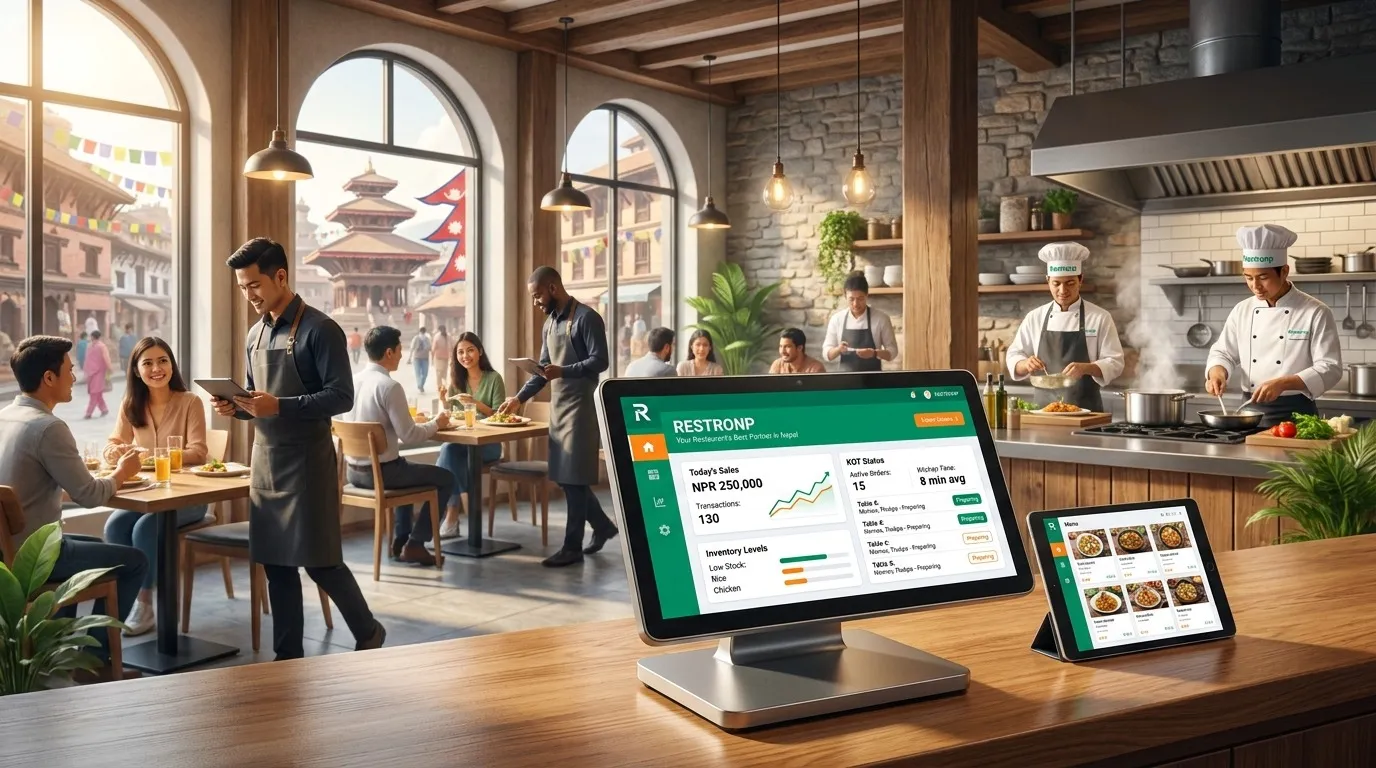
Better Restaurant Management in Nepal: Smart Tools for Everyday Service
Restronp explains smart restaurant management in Nepal for Nepali restaurant owners POS—free cloud POS Nepal, restaurant billing app Nepal, real-time sales report Nepal, QR menus, KOT, inventory & integrated restaurant management system Nepal.