
Restaurant Inventory Management Software in Nepal: Stock, Recipes & Margins
Restronp Team · · Estimated reading time: 11 min read
Inventory tracking and purchase management for Nepal restaurants—recipe costing, perishable goods, purchase planning and purchase orders (PO), GRN discipline, barcode-friendly receiving, shortage visibility before service, POS and KOT usage, vendor dues, COGS-style costing, and reporting.
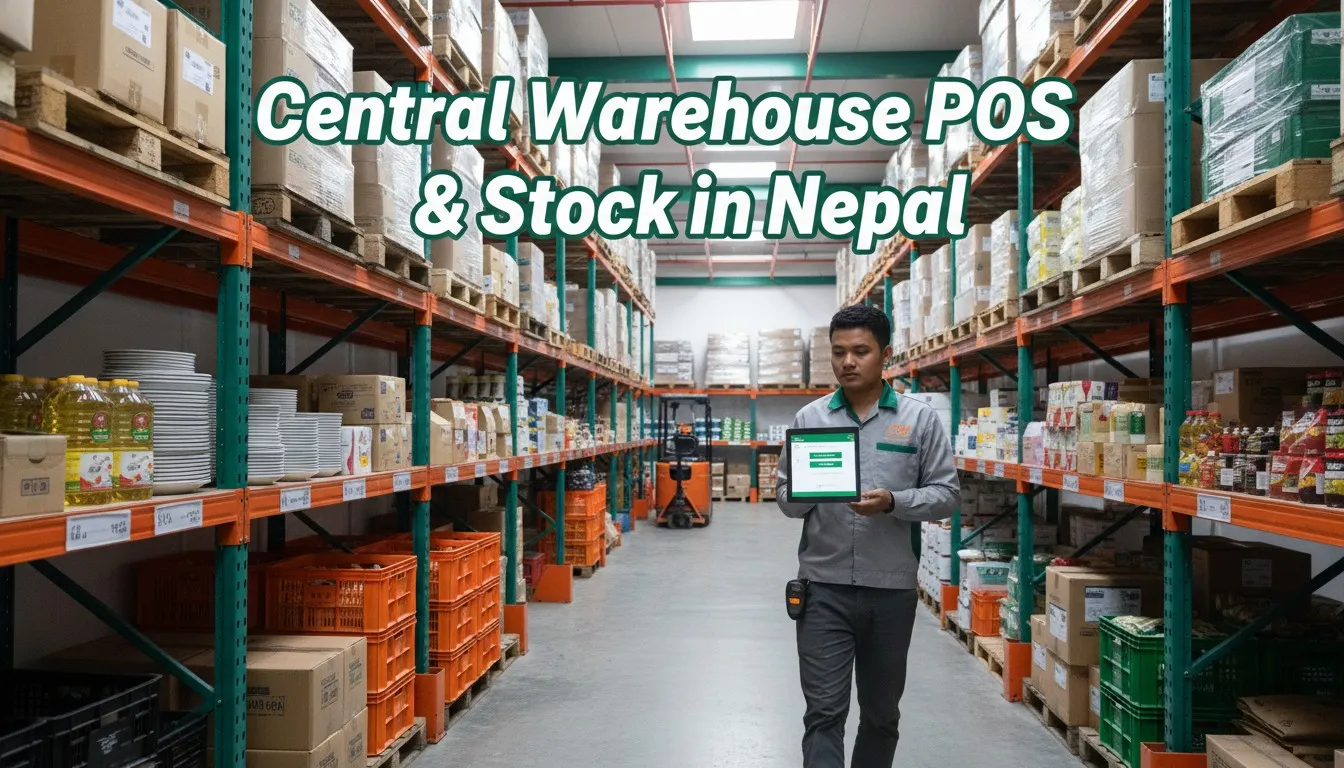
Inventory is where restaurant margins quietly disappear
You can run strong covers and still lose money when spices move faster than sales justify, portions drift without anyone noticing, or supplier invoices never match what actually sold. Solid restaurant inventory management software delivers inventory tracking tied to what your restaurant POS software rings up—so variance surfaces early, not only at month-end.
For outlets in Nepal—cafes in Lalitpur, dine-in brands in Kathmandu, highway-side kitchens—supply timing, spoilage, and theft risks differ. The discipline stays the same: tie usage to recipes, measure waste honestly, and reconcile counts regularly.
What to track before you chase advanced features
- Recipes and yields: map menu items to ingredients so sales data implies theoretical usage.
- Receiving discipline: note quantities and costs when stock arrives—even simple GRN habits beat mystery shrink.
- Variance: compare theoretical versus actual on key SKUs weekly, not only during audits.
- PAR levels: minimum on-hand targets for busy nights and festival spikes.
You do not need industrial warehouse complexity on day one; you need repeatable habits backed by a restaurant app your manager will actually open between lunch and dinner.
Why spreadsheets fail busy Nepali kitchens
Spreadsheets lag real service. Your billing software and invoice totals move in real time; inventory should too. When purchase records live in one file, KOT adjustments live in chat, and closing reports live in another tab, nobody owns one version of truth—especially across outlets or when owners travel.
Integrating inventory with POS, KOT, and invoicing
When your restaurant POS system feeds sold quantities into recipe math, you see which dishes consume premium ingredients fastest—and whether promotions are quietly tanking margin. Strong integration also prevents awkward moments where the menu promises a dish but the storeroom is empty; your floor and KOT management deserve the same facts as purchasing.
If you already improved checkout discipline with our guide on restaurant POS in Nepal, inventory is the next lever that turns accurate tickets into accurate stock math.
Purchase management, vendor dues, and COGS clarity
Purchase management is more than entering bills: it is matching GRNs to payments, tracking partial settlements, and knowing vendor due balances before suppliers tighten credit. When purchases flow into the same universe as sales, you can approach COGS (cost of goods sold) views that reflect what left the kitchen—not only what you bought last week.
Solid purchase planning rhythms—draft purchase orders before stock lands, disciplined GRN intake, and optional barcode or label printing from purchase receipts—keep receiving aligned with what suppliers actually dropped at the gate. Tie those habits to recipe costing so perishable inventory (produce, dairy, marinades) does not disappear inside vague “kitchen use.”
Shortage management should surface before service starts: signals when last night’s theoretical stock cannot cover tonight’s reservations or festival prep—especially when SKUs multiply across brunch, bar, and delivery menus.
Even lightweight advanced reporting on category usage versus purchases helps owners justify price changes when ingredient markets spike.
Local realities: spoilage, seasonality, and supplier drift
Festival demand, tourism swings in Pokhara, and vegetable price spikes all affect what “normal” usage looks like. Track exceptions—large wastage batches, returned plates, staff meals—so true food cost stays visible.
Low-stock alerts and waste control
Low-stock alerts turn “we just ran out of chicken” from a crisis into a planned purchase—especially before weekend peaks. Pair alerts with disciplined waste control notes so spoilage and comps do not silently inflate food cost.
Where Restronp fits
Restronp brings menus, orders, inventory tracking, POS and KOT into one restaurant management software stack for Nepal—so purchasing, billing, and kitchen teams share one operational picture.
Next steps
Review inventory-related capabilities under features, explore pricing, or book a demo with your actual recipes and supplier list.
More blogs
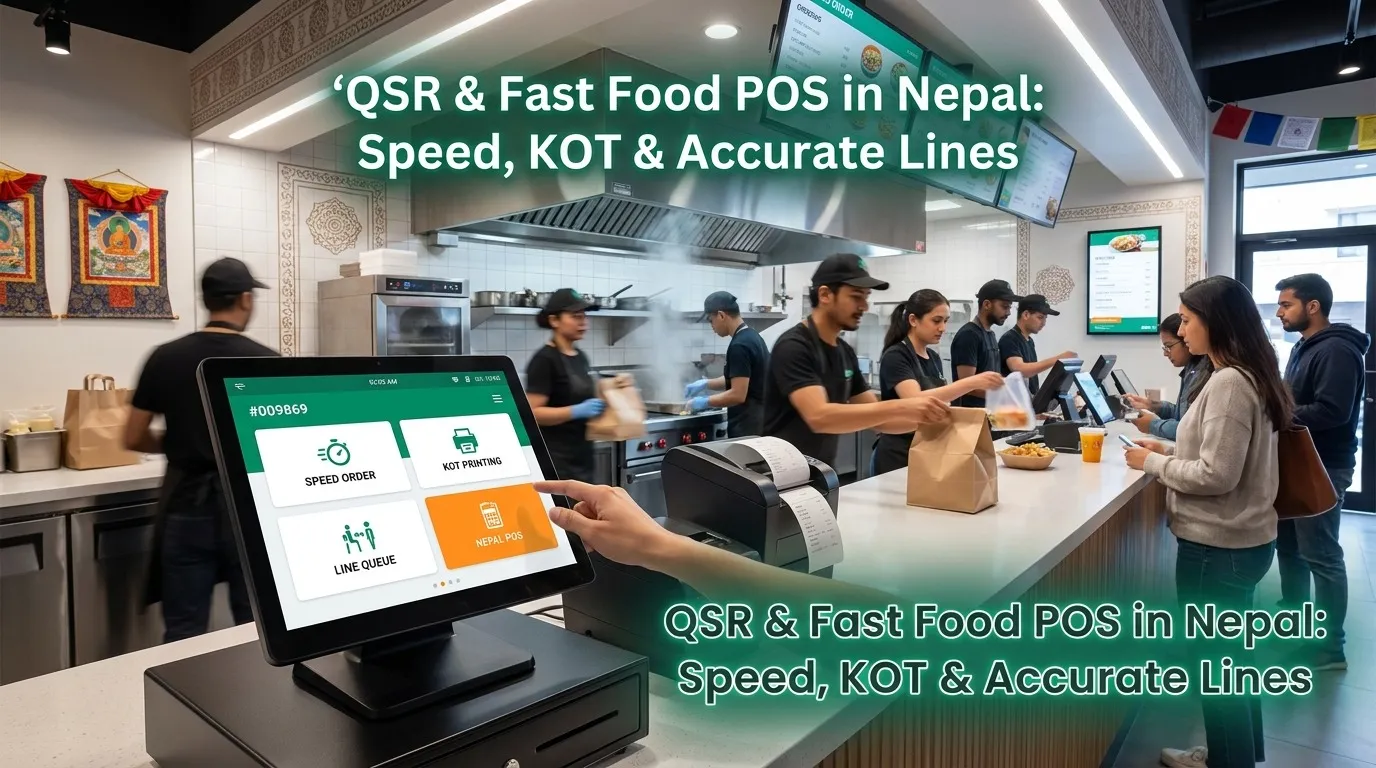
QR Code Ordering for Restaurants in Nepal: Menus, Tables & Faster Billing
Digital menu and QR code ordering for Nepal—guest-led orders synced with restaurant POS software, KOT management, mobile-friendly menus, and billing so cafes and food outlets stay fast and accurate.
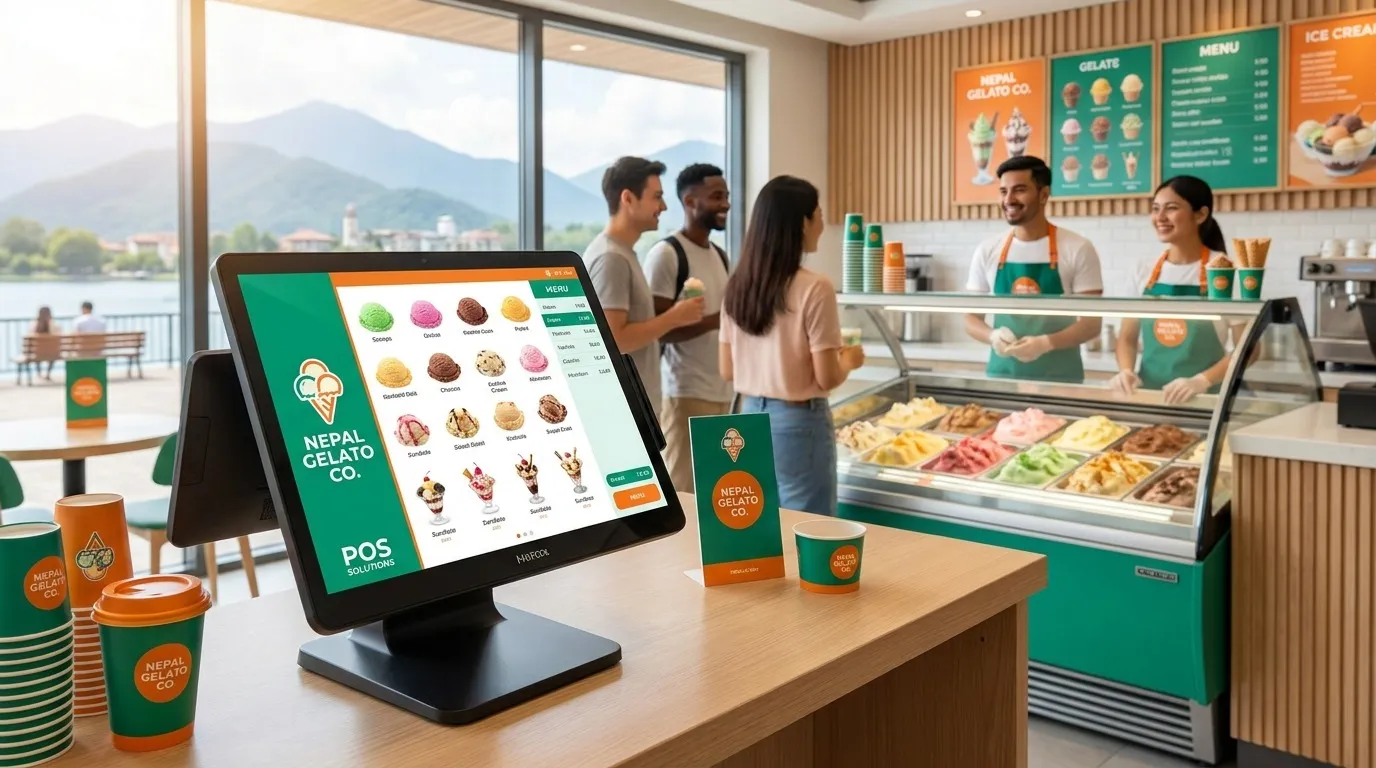
Ice Cream Parlor POS in Nepal: Scoops, Cones & Combo Deals
Restronp guide: ice cream Nepal—easy restaurant software Nepal, digital wallet POS Nepal, real-time sales report Nepal, free QR code menu software Nepal parity, mall & lakeside counters.
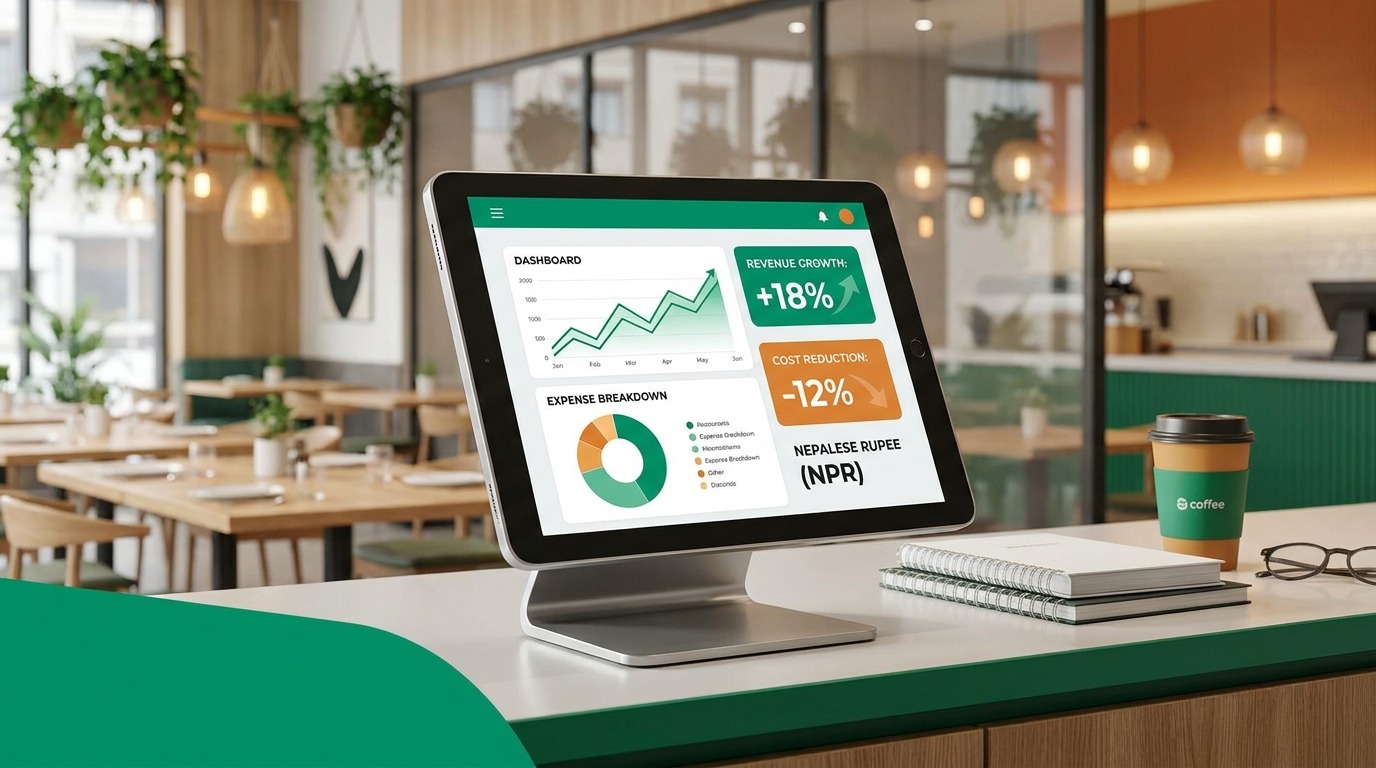
Can Accounting Software Help Reduce Restaurant Cost in Nepal?
Yes—when accounting-style discipline meets daily POS data. Learn how clearer sales, purchase, and expense tracking with restaurant software like Restronp helps Nepali owners cut waste and protect margin.
Multi-Outlet Chain POS in Nepal: Central Menus, Roles & Branch Reports
Restronp guide: multi-outlet Nepal—multi-branch restaurant software Nepal free positioning, restaurant analytics dashboard Nepal, staff role management Nepal, menu management Nepal restaurant governance.