
QR Code Ordering for Restaurants in Nepal: Menus, Tables & Faster Billing
Restronp Team · · Estimated reading time: 10 min read
Digital menu and QR code ordering for Nepal—guest-led orders synced with restaurant POS software, KOT management, mobile-friendly menus, and billing so cafes and food outlets stay fast and accurate.
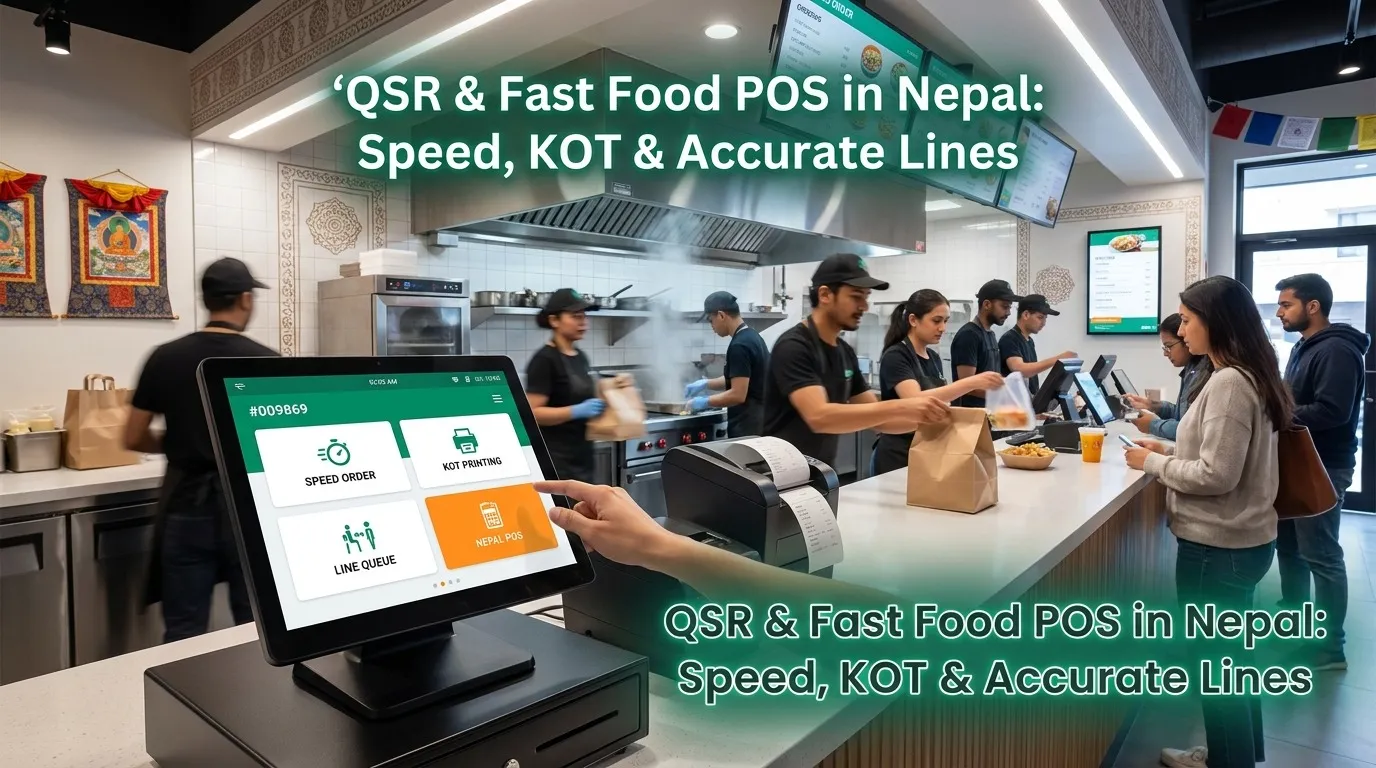
Why QR ordering took hold in Nepal’s dining rooms
Guests scan a code, open a digital menu, and place QR menu ordering requests without waiting for a lone waiter during rush hour. Done well, QR shortens queues, cuts mis-heard modifiers, and frees staff to run food and payments instead of retyping orders. For owners, throughput improves when every ticket feeds the same KOT management pipeline your kitchen trusts.
If QR floats outside your restaurant POS software or billing rules, you trade speed for reconciliation pain. Strong setups keep QR inside your restaurant management software so taxes, modifiers, and table IDs stay aligned with dine-in norms in Kathmandu, Bhaktapur, and regional cities.
Operational benefits worth measuring
- Faster table turns when guests order rounds without chasing attention.
- Contactless ordering that still feels guided—hosts can assist first-time scanners.
- Fewer verbal mis-hears on spicy levels, allergies, or “no onion.”
- Cleaner audit trails because orders arrive as structured tickets, not screenshots.
- Upsell prompts that suggest add-ons without awkward scripting.
One menu source for QR, counter, and delivery listings
Strong menu management means your digital QR menu, cashier POS, and rider menus inherit the same items and NPR prices—so guests never screenshot an outdated special. Updates should propagate in near real time when you 86 an item during service.
What to watch so QR helps—not hurts—your brand
Elder guests and large families may still want human help; train hosts to assist scans and payments without making anyone feel unwelcome. Keep Nepali rupee totals and VAT lines crystal clear before guests confirm—especially when QR sits beside cash counters where trust is earned per visit.
Connectivity matters: backup workflows if mobile data flickers during monsoon evenings or crowded mall peak loads.
Tying QR orders to POS, invoices, and split bills
QR should inherit the same menu versions your cashier sees so invoice software outputs match what the kitchen produces. Table mapping matters: wrong table IDs create wrong bills fast at scale. Linking QR to your restaurant POS in Nepal setup keeps split bills, service charges, and wallet payments coherent—whether guests pay at the table or the counter.
Staff roles after QR: fewer order takers, better hospitality
QR shifts labour from typing orders to explaining specials, pacing courses, and handling complaints—where humans still win. Train explicitly so teams do not feel replaced; they are redeployed to guest experience and accuracy checks against the POS ticket.
Dynamic menus, mobile experience, and cloud updates
The best QR experiences behave like live mobile app integration into your catalogue: price edits and 86’d items propagate quickly—especially when tourism spikes or supplier prices shift mid-week. Cloud-based menu control helps multi-branch teams avoid printing new laminates every Friday—whether staff use Android handhelds or tablets alongside web.
Where Restronp fits
Restronp connects digital menu and QR flows with menus, tables, payments, and reporting—so QR stays part of one restaurant app story instead of a static PDF.
Next steps
See QR-ready flows on features, compare pricing, or talk to our team about table layouts and menu sync.
More blogs
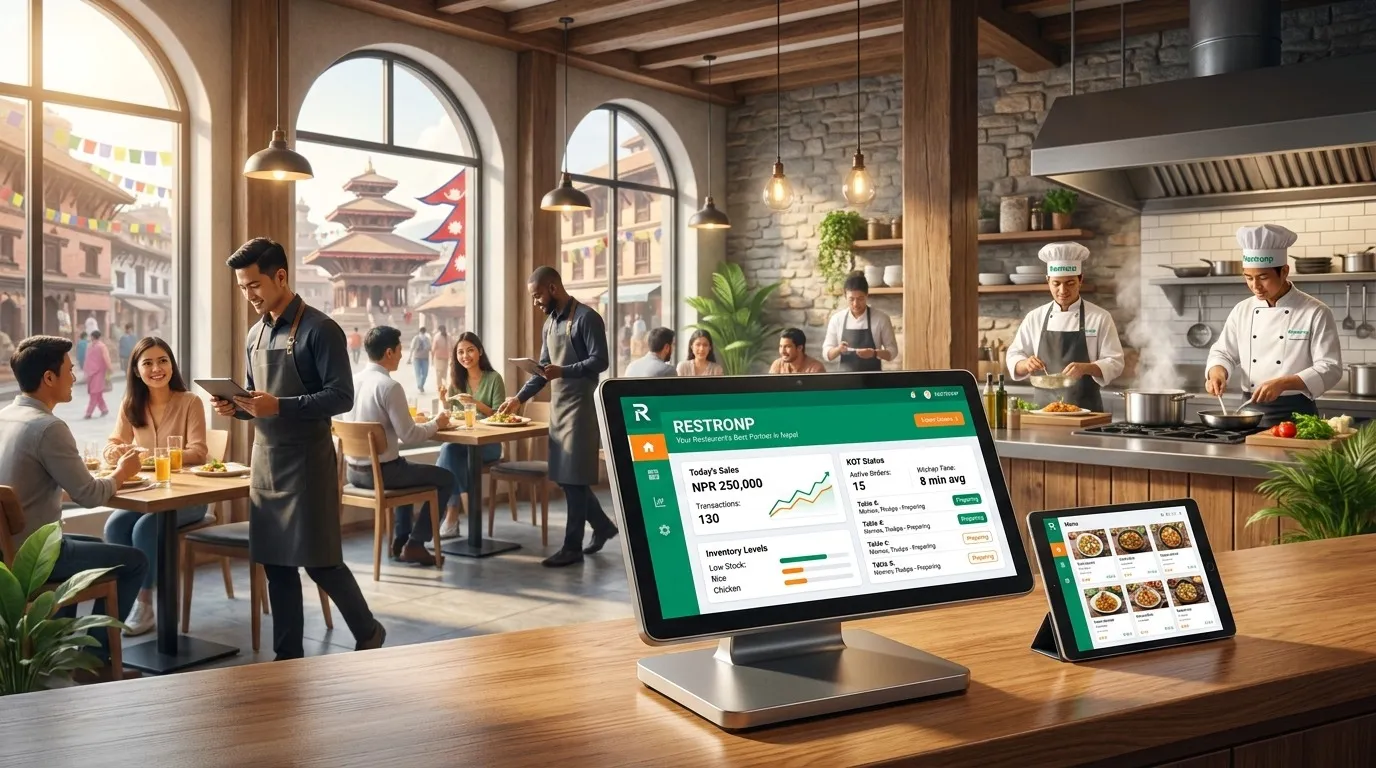
Best Restaurant Management Software in Nepal: Orders, Menus, POS, Inventory & Analytics with Restronp
Explore Restronp as restaurant management software for Nepal—order management (OMS-style), menu control, inventory and stock, integrated POS, guest CRM, reporting and analytics, staff roles, tables and reservations in one cloud stack.
Smart Inventory & Waste Control for Restaurants in Nepal
Smart inventory tracking and waste control for Nepali restaurants—low-stock alerts, spoilage discipline, recipe ties to POS, and margin protection for Kathmandu cafes, bars, and food outlets.
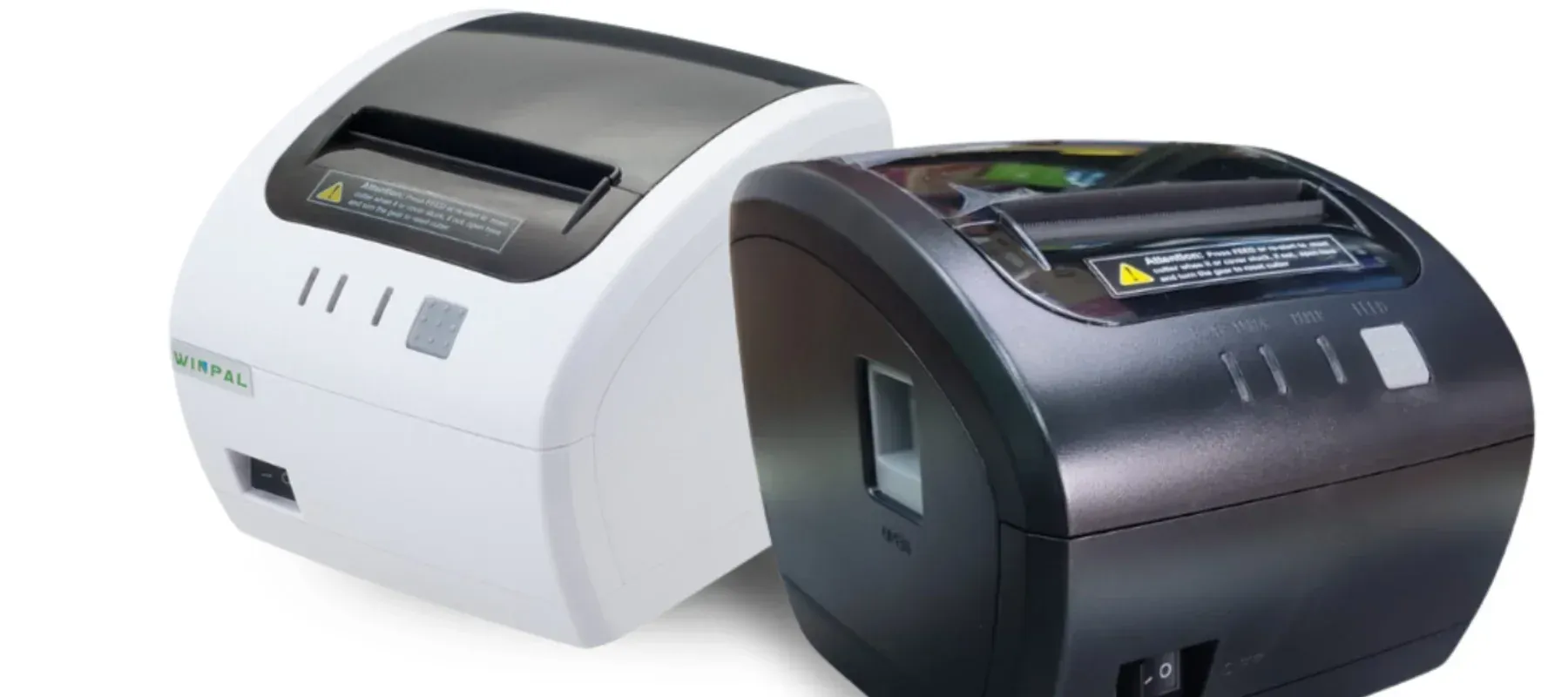
Thermal Printers in Nepal
A thermal printer is a fast, reliable printing device that uses heat to print on special paper without ink or toner. Widely used in restaurants, retail, and offices for receipts, labels, and bar codes, it is cost-effective, low-maintenance, and ideal for high-speed printing
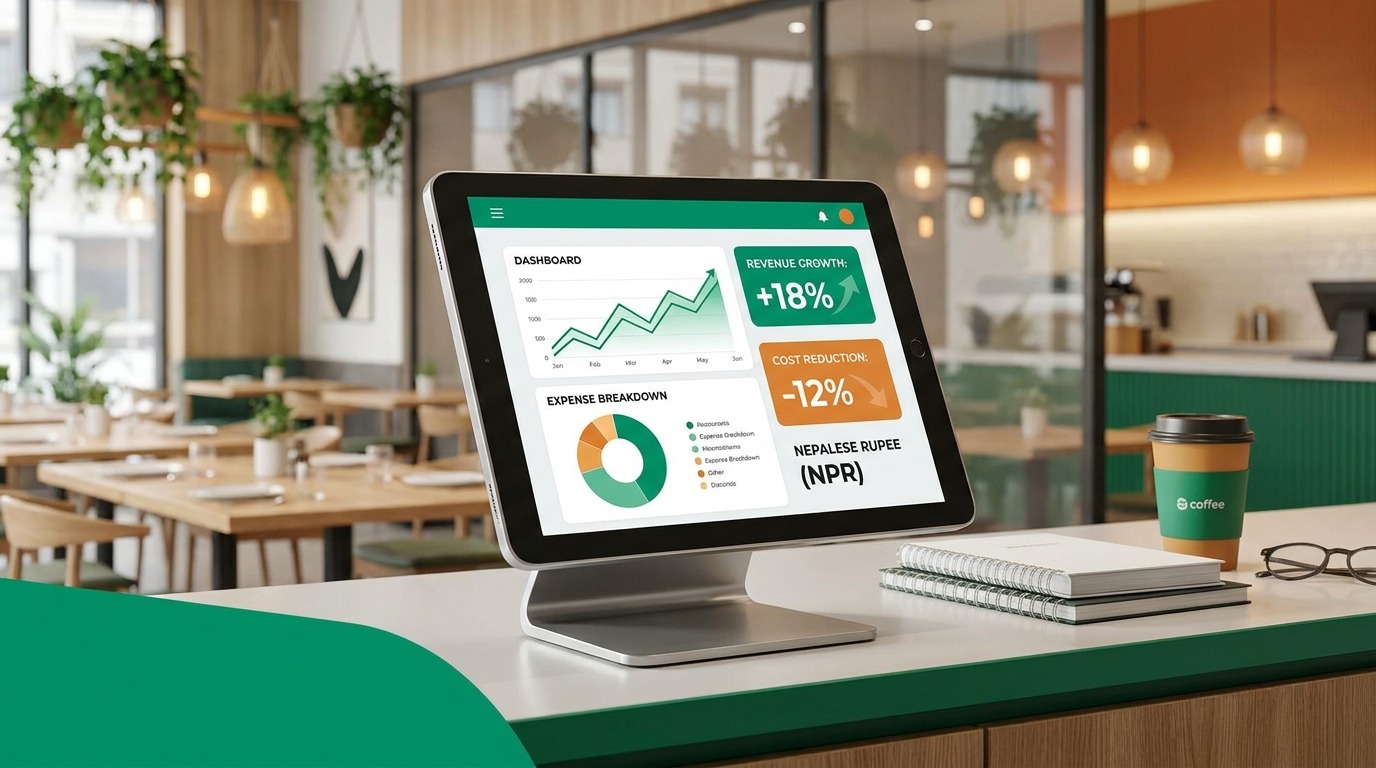
Can Accounting Software Help Reduce Restaurant Cost in Nepal?
Yes—when accounting-style discipline meets daily POS data. Learn how clearer sales, purchase, and expense tracking with restaurant software like Restronp helps Nepali owners cut waste and protect margin.